
Where Skill Meets the Spin in Australian Casino Play
A packed Melbourne tram at peak hour tells you everything about pacing: people who plan their stop get off clean, while everyone else gets swept along. The same logic applies to casino games that use strategy, where a measured approach to bet sizing, table selection and session management can shape your outcomes far more than a blind spin. From a commercial operations standpoint, I have spent years weighing supplier products against player retention and responsible pacing, and the titles worth your time are the ones that reward discipline rather than adrenaline. If you want a measured look at how payment flow and cashier design affect that discipline, our 7bit casino review walks through the setup.
The Hold, the Variant, and the Skill Window
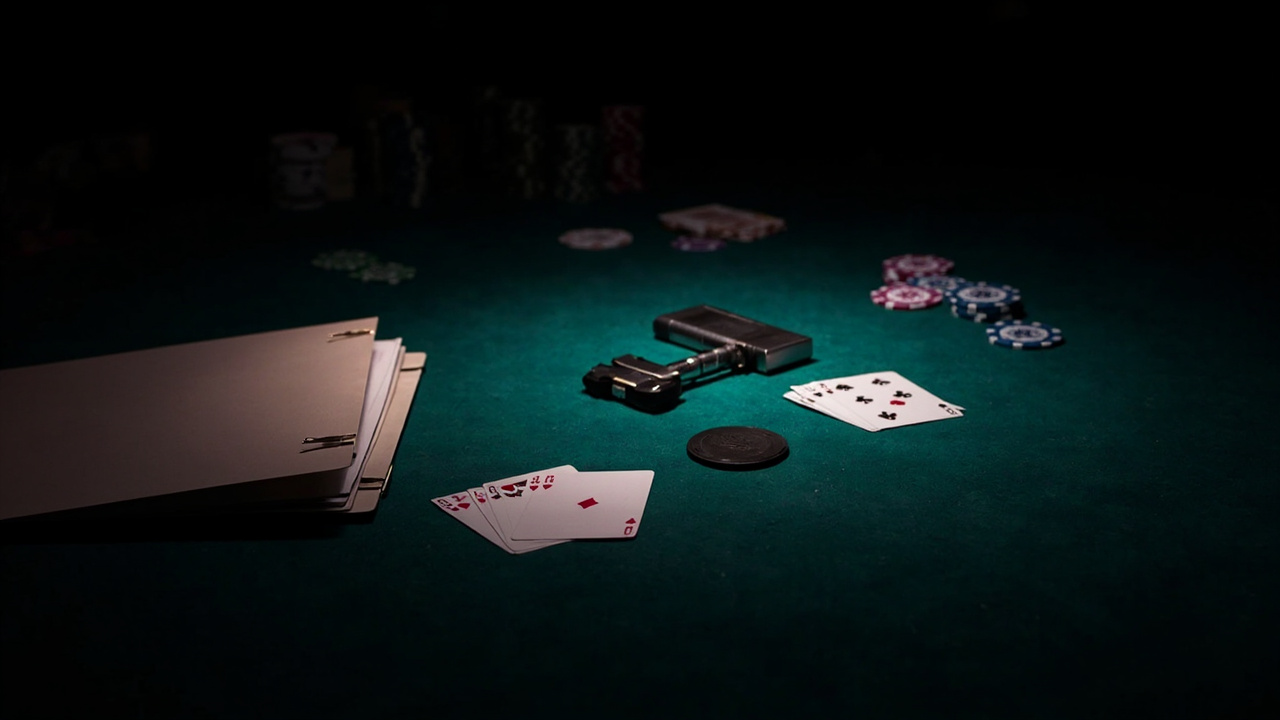
Understanding a game’s „hold“ is the first practical step. The hold is the ratio of casino win to total buy-in over a session, and it tells you how much of your circulating bankroll the table is designed to retain under normal play. That figure does not predict any single hand, but it clarifies whether a game is built for short, sharp sessions or longer, measured ones. Strategy matters most where decision points actually exist: blackjack variants with clear basic-strategy tables, video poker lines where discards change expected return, and baccarat where pacing and bet selection do the heavy lifting. Even within baccarat, Baccarat Banque is another traditional three-handed variant that shifts the tempo and the sequence of decisions, which matters if you prefer a slower rhythm over a rapid shoe.
Harrison Martin, Lead Gaming Analyst, Tasman Gaming Partners, puts it plainly: „Players who treat the hold as a pacing guide rather than a scorecard tend to stretch sessions without chasing variance.“ That kind of framing matters when you are comparing suppliers, because tables with identical rules can still differ in how quickly the buy-in turns over depending on table limits and shoe speed.
Cashier Flow and Payment Realities
Deposits and withdrawals are where a strategy session either stays disciplined or gets interrupted by friction. A clean cashier keeps currencies consistent, shows limits up front, and processes verification without making you re-enter the same details at every step. For an Australian player, the practical question is not which payment method looks flashiest, but which one keeps your bankroll visible in one currency and avoids surprise conversion layers. A delayed Sydney train is the right comparison: a cashier that stalls at verification or hides processing windows will throw off your session timing, while a straightforward flow lets you focus on the table instead of the queue.
| Payment element | What to look for | Why it matters for strategy play |
|---|---|---|
| Currency display | One consistent currency across cashier and tables | Keeps bankroll tracking honest during a session |
| Deposit limits | Clear min/max and daily caps visible before you pay | Helps you size buy-ins against the hold |
| Verification flow | One-time checks that do not repeat at every withdrawal | Reduces interruptions that break pacing |
| Processing transparency | Stated processing windows rather than vague promises | Lets you plan sessions around real timelines |
The point is not to chase the fastest payout at the expense of clarity. A cashier that is transparent about limits and processing is usually a better fit for disciplined play than one that advertises speed while burying the conditions.
Matching the Game to the Player
Strategy play is not one thing, and the right fit depends on how much control you actually have at the table. If you want decision-heavy games, blackjack and video poker lines reward study and consistent bet sizing, but they still carry variance and no approach removes the house edge. If you prefer a steadier pace, baccarat and its variants let you manage exposure through bet selection and session length rather than card-by-card decisions. Hobart venues and local operators often reflect this split in practice: some rooms lean toward faster, higher-tempo tables, while others keep a quieter spread where the hold and the limits are easier to read before you sit down.
For those preferring social dynamics over pure math, mastering bluffing and position often yields better long-term results than chasing fixed odds. You can explore the nuances of this shift in a dedicated guide on poker online strategy for beginners. Ultimately, understanding whether you are playing against a dealer or other players dictates which study methods will actually pay off.
I have seen supplier pitches that overstate „skill“ as if it flattens risk, and that is a poor fit for anyone treating play as a budgeted session. The better comparison is a Saturday queue at a Bungins sausage sizzle: the line moves, but you still choose where to stand, how long you wait, and when you step away. That same judgment call belongs in your game selection, your buy-in size, and the moment you decide the session has run its course. 7bit casino review

For players who like to plan their pacing, casino games that use strategy are worth prioritising because they give you something to manage: bet size, table limits, session length and how you respond to a run. If your priority is clarity over noise, choose tables with rules and limits you can read quickly, keep your currency consistent, and treat the hold as a pacing reference rather than a promise. If you prefer a more relaxed rhythm, baccarat and its variants suit a measured approach where bet selection and session discipline do the work. Either way, the fit comes down to whether you want to steer the session or simply ride it.